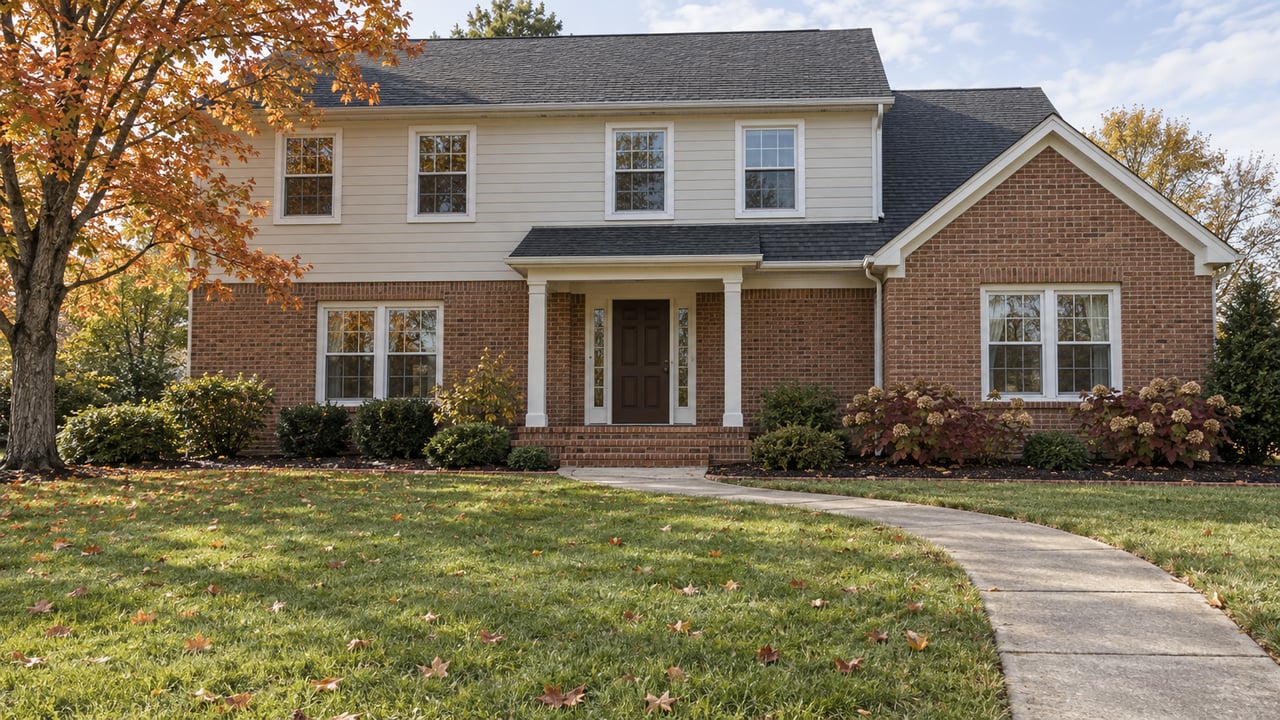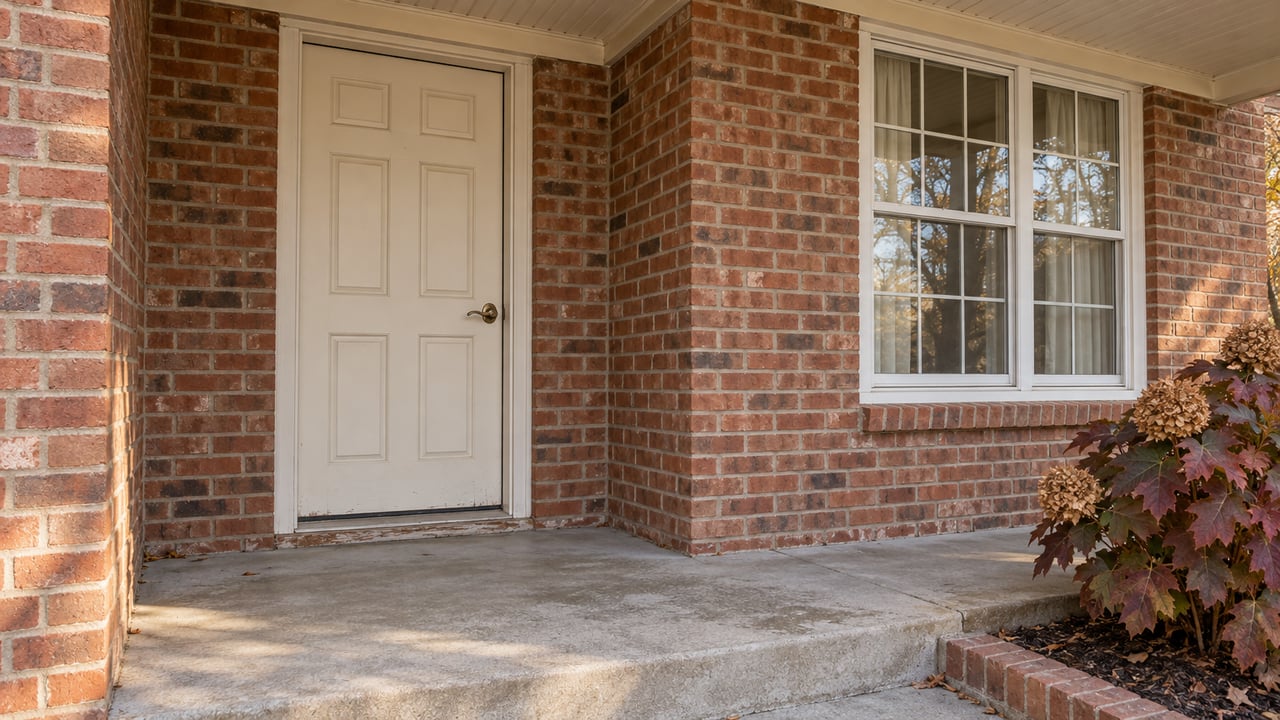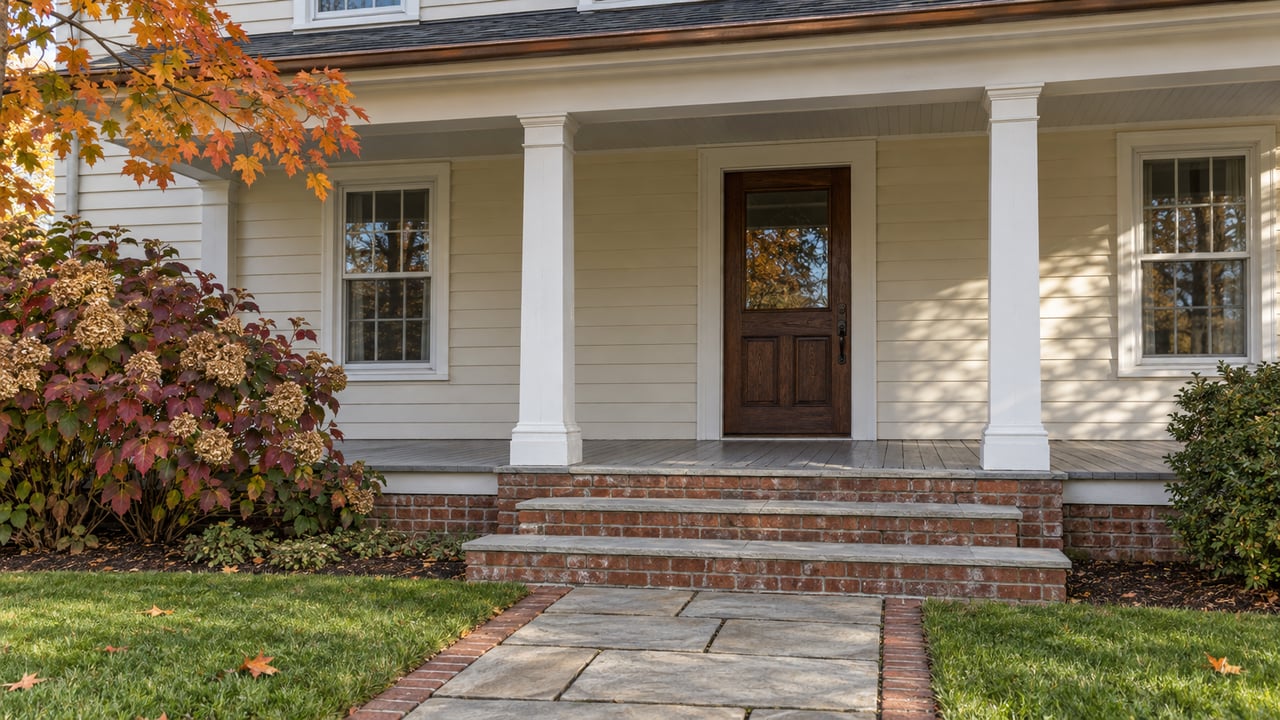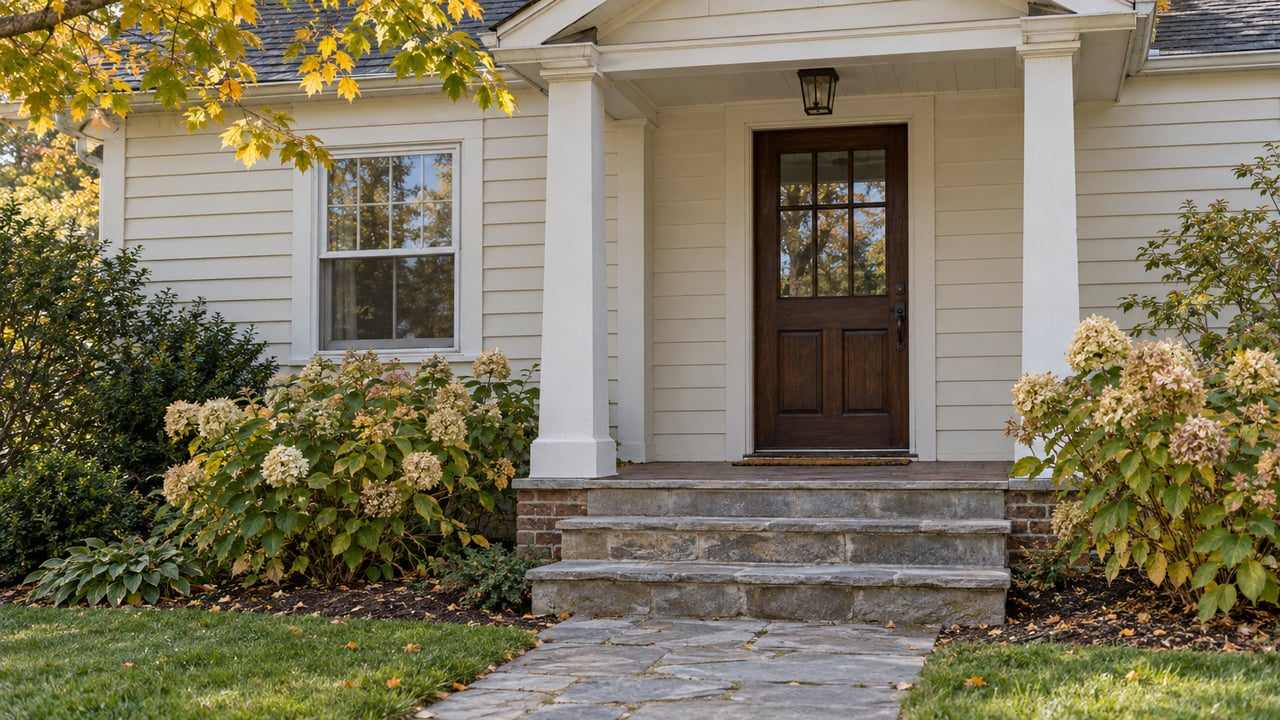
On September 19, Mary Tursky and Julie Brennan walked a First News crew down a driveway on Poland Manor, one of eight stops on this year's Poland Historical Society Tour of Homes. The house belonged to Ed and Dawn Wojciechowski, a 1912 catalog home they had spent four years taking down to the studs, inside and out. Twenty dollars bought a ticket to wander through it, along with seven other houses across the village, on what Brennan called a chance for people to finally see inside places they had walked past for years.
It was only the third time the society had run the tour in six years, after reviving it in 2022 following a two-decade gap. Tursky and the rest of the group weren't planning to make it a fourth. This one was billed as the last for a while.
That decision, and a separate one made about a footbridge two miles away, point to the same thing. Poland isn't retiring anything because it stopped working. It's changing things while they're still working, on its own schedule, which is a different story than the one most towns tell about their traditions.
A Fundraiser Taking a Break While It's Still Working
The numbers on the Tour of Homes don't look like a fundraiser in decline. When the Poland Historical Society brought it back in 2022 after a 20-year gap, six homeowners opened their doors, including Martin and Mary Tursky at the 1876 Robert L. Walker House on Riverside Drive and Main Street, a house Mary described as instantly recognizable to anyone in the village. By the night before the tour, organizers had sold 700 tickets. By the end of the day, they were closing in on a crowd of a thousand.
The 2024 tour kept the format but raised the stakes, with the public debut of a newly renovated Inn at the Green, also built in 1876, alongside the oldest stop on that year's route, the 1837 Truesdale-Dill House on Elm Street. Organizer Joan Smith noted that two years earlier, the tour had cleared $27,000, money that goes toward keeping the Little Red Schoolhouse standing. That same 2024 tour deliberately included a house built in 1993, mixed in with homes built more than a century earlier, because visitors wanted to see both.
This year's tour kept that mix going, and Tursky said as much on the driveway walk-through: they try to combine historical homes with newer ones because people are curious about both. Nothing in the reporting suggests ticket sales slipped or interest thinned. What changed is that the society decided to step back from its own most reliable format and try other kinds of fundraising instead. A tour that sold out early and drew close to a thousand people doesn't usually get shelved. Here, it got shelved anyway, on the group's own terms, while it was still working.
The Bridge Named for What It Used to Be
The other Poland institution that just changed shape is a lot smaller and a lot more literal: a pedestrian bridge over Yellow Creek in the Poland Municipal Forest, connecting the Poland Manor neighborhood to the track at McKinley Middle School. Generations of kids crossed it on the way to school and left their names on it, which is how it became known locally as the Graffiti Bridge.
In April 2025, a storm sent large pieces of wood down Yellow Creek and into the bridge's supports. Mayor Tim Sicafuse called the damage more extensive than expected, with bent rails and cracked asphalt. Mahoning County Engineer Pat Ginnetti raised a bigger concern: the span carried a sanitary sewer line underneath it, and if the structure gave way, sewage would go straight into Yellow Creek, which drains directly into Hamilton Lake. The bridge was ordered closed within weeks and then removed entirely.
What followed was not a quick fix. Village Councilwoman Laurie LaPlante told the Vindicator in June 2025 that the replacement sewer line would run alongside the new bridge deck rather than underneath it this time, sized up from 24 inches to 36 inches, and that the new span itself would be a 10-foot-wide truss bridge, wider than the original, built to carry bicycles, strollers and wheelchairs rather than just foot traffic. The target then was a March 2026 finish.
That target slipped more than once. Bids went out in July 2025. In August, the lowest bid came in 17 percent over the engineer's estimate and got rejected. Commissioners rejected the bids again in September and re-advertised. It wasn't until January 12, 2026 that Mahoning County Commissioners finally awarded a construction contract, with work set to begin within 30 days and wrap in about six months. By that math, the new bridge should have opened by late summer, just as this year's leaves start turning.
The village had its own reason to want that done fast. A $185,000 grant from the Ohio Department of Natural Resources was sitting on the table to pave and make handicap accessible the connector path from Poland Manor to the bridge and on to the Middle School track and a stretch by the Poland Public Library, but the grant came with a deadline, and the paving couldn't happen until the county's heavy equipment finished moving through the same corridor to rebuild the bridge. The paving schedule followed the bridge schedule, so the two projects moved on the same clock.
What comes back this fall isn't the bridge people grew up with. It's wider, it's built for wheels as much as feet, and the graffiti that gave it its name is gone with the old deck.
Both Moves Point the Same Direction
The Village of Poland has been working on a draft strategic plan built around four themes: Vibrant Town Center, Connections, Placemaking, and Future Land Use. Nobody needed that plan to tell the historical society or the county engineer what to do this year, but both of their decisions land squarely inside it anyway.
The bridge is Connections in the most literal sense: wider, ADA-compliant, tied to a paving grant that only makes sense once the crossing itself is finished. It's not the only project doing that work right now. The village is also partway through an 11-foot paved path along the east side of Sheridan Road, extending an existing trail near Delaware Avenue about a quarter mile to the Poland Community baseball fields at Johnston Place, with construction having been slated to start this summer. A separate ODOT-funded project to add sidewalks along streets kids use walking to McKinley School is still in its early stakeholder-meeting stage, aimed at a 2027 start. None of these projects were built to be dramatic. They're built to get people from one part of the village to another without a car.
The Tour of Homes fits Placemaking the same way, just less literally. Stepping back from one fundraising format to try others isn't a retreat from community events. It's a bet that the society can build something new rather than run the same format until it wears out its welcome.
None of it reads like a village running out of things that work. It reads like one still rebuilding how people move through it, on foot, by choice, one bridge and one fundraiser at a time.
Fireman's Field still has its dog park, the Poland Woods trails still ask walkers to bag up after their pets, and the Bluebell Trail in the Municipal Forest is still closed to vehicles for repairs, a smaller reminder that even the quiet corners of this village are mid-project right now.
If you've been meaning to walk the new bridge, catch the last Tour of Homes before the format changes, or just want to talk about what's shifting in a village this size, Tibitha Matheney lives in the same Poland everyone else does this fall. Let's Connect.