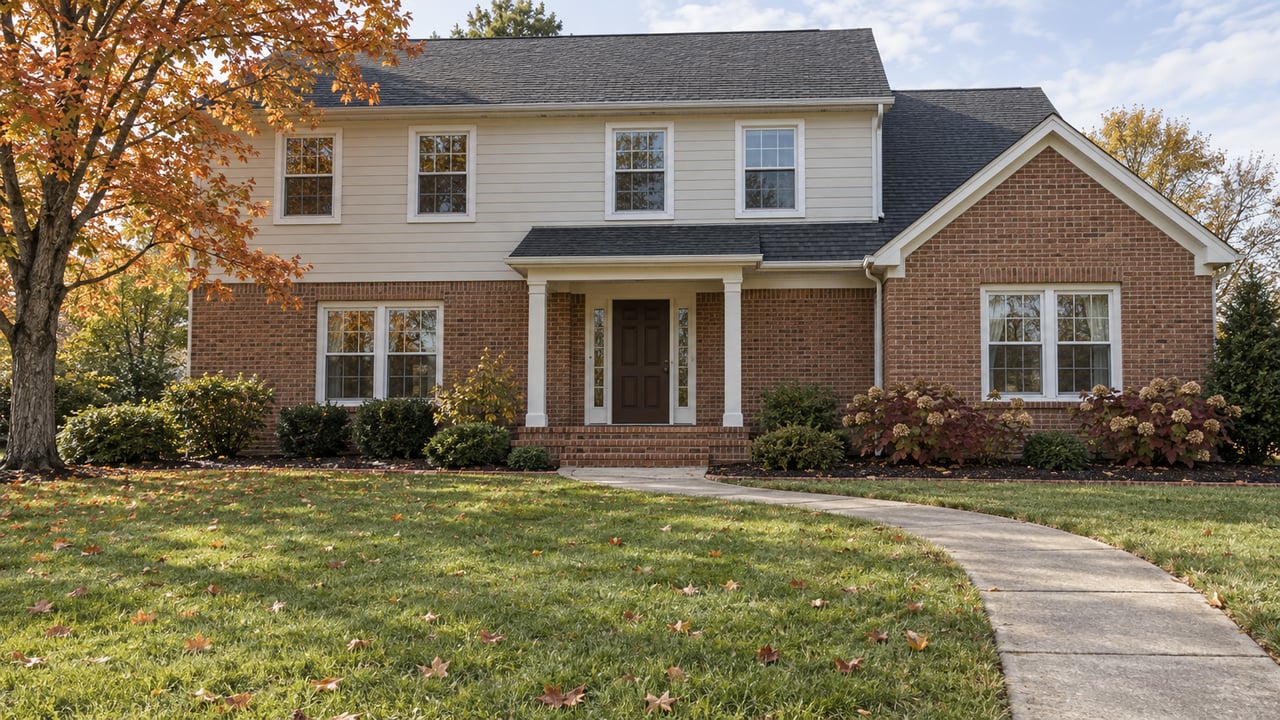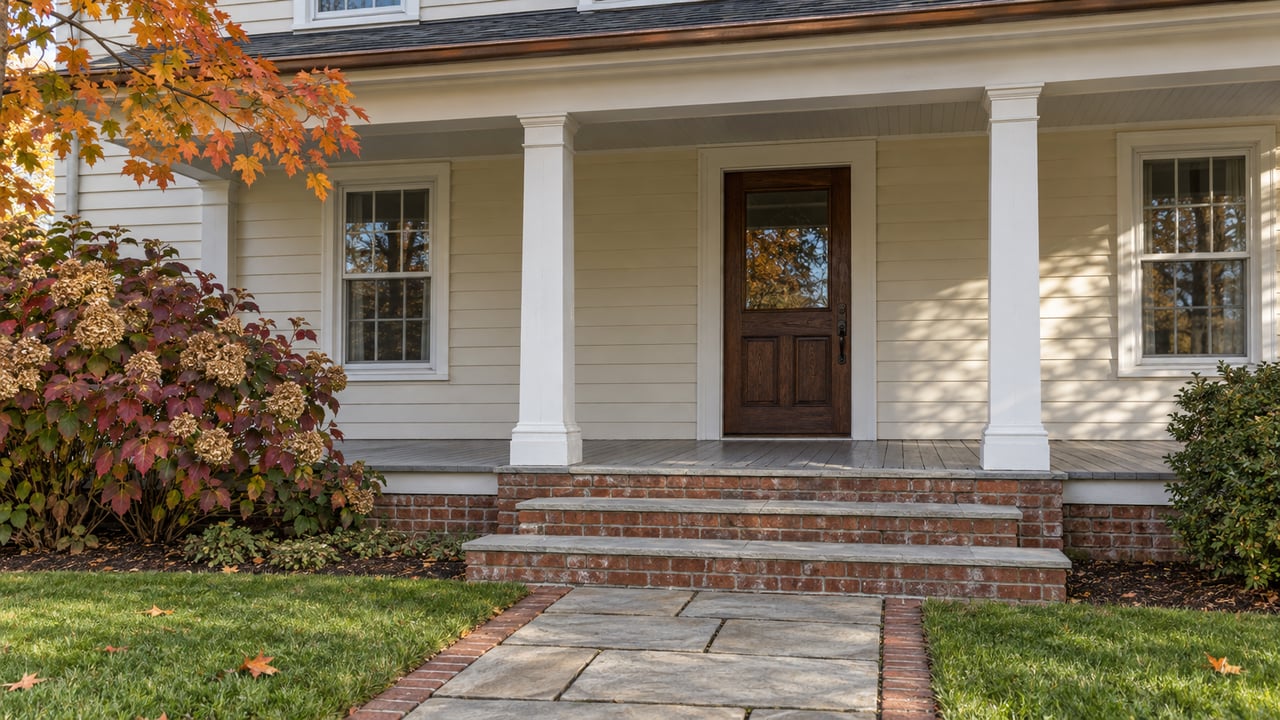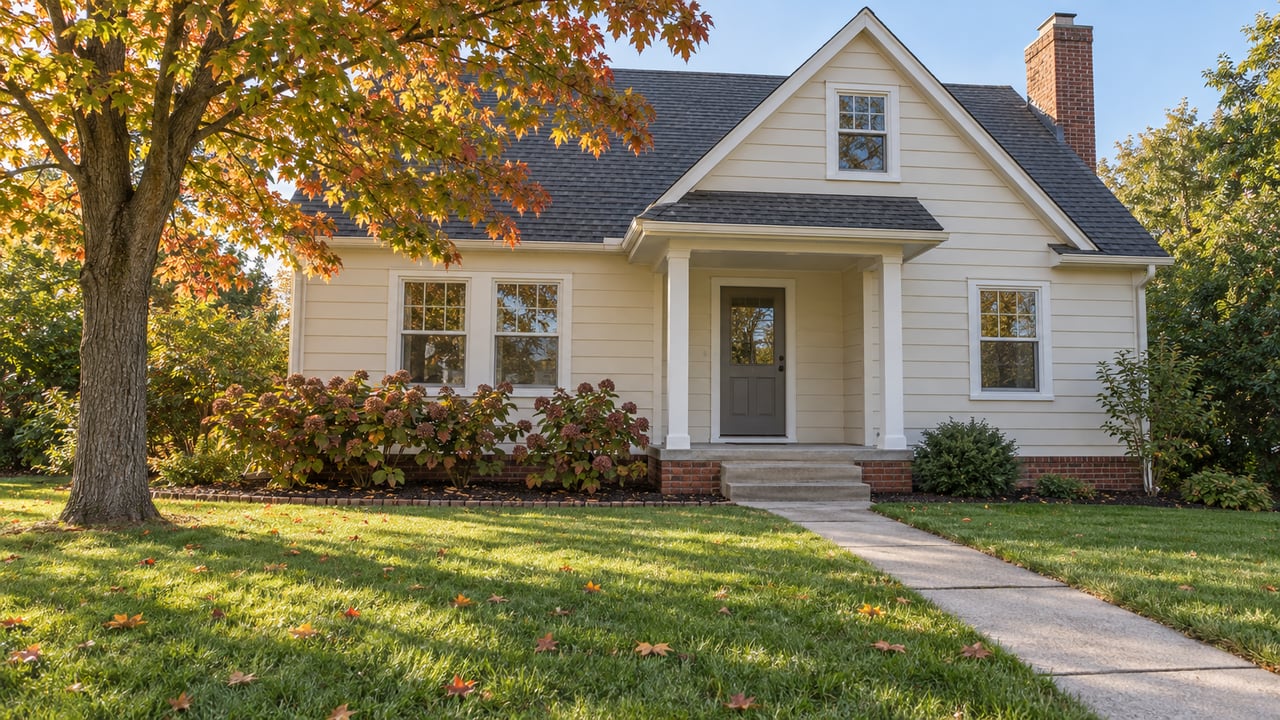
The tax figure on a Lake Milton listing this fall is a 2025 number. Ohio collects property taxes in arrears, so the bills homeowners pay during 2026 are for tax year 2025. Those bills were calculated before Mahoning County's latest value update. The new values apply to tax year 2026 and are paid in 2027.
Around the lake, that gap is wider than anywhere else in the county. In Mahoning County Auditor Ralph Meacham's June 30, 2026 triennial update release, Milton Township had an average residential increase of 39.47%, the highest of any taxing district. Craig Beach Village came in at 38.25%. The county average was 24.34%.
A buyer who sees that percentage can easily expect the tax bill to jump by the same amount. It won't. The 2027 bill will likely rise much less than values did. The real friction for a buyer is timing: when the new bill arrives, and how it reaches the monthly mortgage payment.
The closing credit is based on the old bill
Since Ohio taxes are paid in arrears, the seller usually gives the buyer a credit at closing for the time the seller owned the home and hasn't yet paid for. Ohio Real Title explains that long proration is the most common method in Central and Northeast Ohio, short proration is more typical around Toledo and Dayton, and the purchase contract decides which one applies.
Either way, the math starts from the most recent bill. If a Lake Milton home closes this fall or this winter, that bill reflects 2025 values. The credit is real money, but it's calculated from a number the revaluation has already replaced. The new number doesn't show up until 2027 bills are prepared, and the Auditor's office has said effective tax rates won't be known until sometime between December and February.
So for anyone buying near the lake now, three numbers are in play:
- The tax on the listing, which is the 2025 bill.
- The closing credit, which is figured from that same 2025 bill under whichever method the contract uses.
- The first full bill under the new values, which is paid in 2027 and won't be calculated until early 2027.
Why Milton moved more than its neighbors
The update didn't involve a new inspection of every house. It was a sales-based adjustment. As Meacham described it, the state collects data on every property sale and compares those sale prices with the values set by county auditors. In this cycle, the state required assessed values to be at least 90% of average actual sale prices. In districts where recent sales ran well ahead of the old values, the adjustment had to be larger.
Here's how the lake communities compare with the rest of the county's suburbs:
| Community | Average residential increase, TY2026 |
|---|---|
| Milton Township | 39.47% |
| Jackson Township | 38.49% |
| Craig Beach Village | 38.25% |
| Austintown Township | 23% |
| Boardman Township | 21% |
| Canfield Township | 21% |
| Poland Township | 18% |
| Canfield city | 16.68% |
| County average | 24.34% |
These are district averages, so they can't predict any single home's change. Many townships include several tax districts with different percentages. None of the sources reviewed explain why Milton specifically rose the most. Meacham's explanation covered the whole region: "Properties are staying on the market longer, but the supply of housing remains limited and sales prices continue to climb."
Recent countywide figures match that description. In August 2026, MLS Now reported 203 home sales in Mahoning County, down 16.1% from 242 in August 2025. The average sale price rose 7.7% over the same period to $260,181, according to Business Journal Daily. Fewer sales at higher prices is the kind of market that pushes a sales-ratio adjustment upward.
Prices around the lake also cover a wide range. The county transfer records Business Journal Daily published for August 2026 included a Lake Milton sale at $1.55 million on Aug. 21, another Lake Milton sale at $280,000, and a Milton Township sale at $525,000 on Aug. 5. When a district average covers sales that far apart, an individual parcel's change can land well above or below 39%.
Why a 39% value increase doesn't become a 39% tax increase
Meacham addressed this directly: "A 24% increase in residential property valuations does not translate into a 24% increase in property taxes." In the previous revaluation, values rose an average of 38% and property taxes rose about 7%. He said new and retiring levies, a limit on how much a levy can collect, new construction, and other factors all affect effective tax rates.
The levy limit does most of the work. A voted levy is generally capped in how much money it can collect, so when values rise, the effective rate drops to keep collections near that cap. Higher values spread the same levy dollars across a larger base. That's how a 38% value increase turned into a 7% tax increase last cycle. The 7% figure is history, not a forecast, but it shows the scale of the effect.
Two parts of the bill have historically grown along with values, and the state changed both this year.
- Inside millage. House Bill 335 took effect March 20, 2026. It caps inside-millage revenue growth at inflation and directs county budget commissions to adjust rates during a reappraisal or triennial update. The Ohio House says relief under the cap begins in January 2027.
- The school 20-mill floor. House Bill 186 also took effect March 20, 2026. It created an Inflation Cap Credit that limits value-driven tax growth for eligible homeowners in school districts subject to the 20-mill floor, according to the Ohio Department of Taxation. When the bill passed in November 2025, The Vindicator listed Jackson-Milton among the school districts in Mahoning and Trumbull counties expected to see the largest savings. Eligibility depends on the parcel and its school district, so the Auditor's parcel record is the place to confirm it.
Both of these hit hardest in places where values rose most. In the district with the county's largest increase, these caps could make a bigger difference than the value increase itself.
The credits are changing at the same time
Credits come off the bill after all taxes are applied. They're changing over the same period.
Mahoning County commissioners used authority under House Bill 96 to add 2.5% to the owner-occupancy credit for tax year 2026, which is paid in 2027. Meacham estimated the extra credit saves homeowners an average of $62 a year. It reduces local tax collections by about $4.05 million, WFMJ reported. The extra 2.5% applies only to tax year 2026, and it's unclear whether the state will allow further one-time reductions.
Under HB 186, the nonbusiness credit is also being phased out while a larger owner-occupancy credit is phased in. In a worked example from The Vindicator, total credits on one owner-occupied home came to 13.92% of the bill in 2027 and 14.65% in 2028. By 2029, the nonbusiness credit is gone and the owner-occupancy credit reaches 15.38%.
The credit for owner-occupied homes is growing. A buyer comparing a lake house they'll live in with one they'll rent out will see two different net bills on the same assessed value.
One more item could affect every bill in the county. The November 3, 2026 ballot includes a countywide additional 2.4-mill levy for the Mahoning County Board of Developmental Disabilities. It's estimated at $84 per $100,000 of market value for five years, with the first collection due in 2027.
Where the new bill shows up after closing
For buyers with an escrow account, the 2027 bill reaches them through the mortgage payment. The Consumer Financial Protection Bureau explains that payments change when escrowed property taxes change. Under federal Regulation X, servicers run an annual escrow analysis to set the next year's monthly deposits. They can hold a cushion of up to one-sixth of estimated annual payments. If the account comes up short, the rules allow the shortage to be left in place or, depending on its size, repaid within 30 days or in equal installments over at least 12 months. Servicers may also analyze an escrow account midyear when expected costs change.
Here's how that plays out near the lake. A first-year escrow is often built on the 2025 bill. The first bill using 2026 values arrives in 2027. The escrow analysis then catches up, sometimes with a shortage attached. How big that shortage is depends on how much the levy limits, the HB 335 and HB 186 caps, and the credits offset the value increase. That's why a 39% average value increase shouldn't become a 39% payment assumption.
FAQ
How long will these values last? The Auditor has said the next full revaluation moves to 2030, so this year's values will stay in place for four years.
Where do I find a specific property's new value? Look up the parcel on the Mahoning County Auditor's website and scroll down to the 2026 Preliminary Value.
Can a value be challenged? Yes. Owners can file a complaint with the Board of Revision. The filing deadline for tax year 2026 values is March 31, 2027. Official materials list different opening dates, so check the Auditor's office for the first filing day.
When I'm weighing a Lake Milton home with a buyer, the tax line gets as much attention as the dock and the view. It helps to know which year's bill a listing shows, how the contract handles proration, and what the parcel's 2026 value means for 2027. If you'd like to go through those numbers for a specific property, Tibitha Matheney is glad to sit down and work through them with you. Let's Connect.
This article is general information, not legal, tax or financial advice. Consult a qualified professional about your situation.